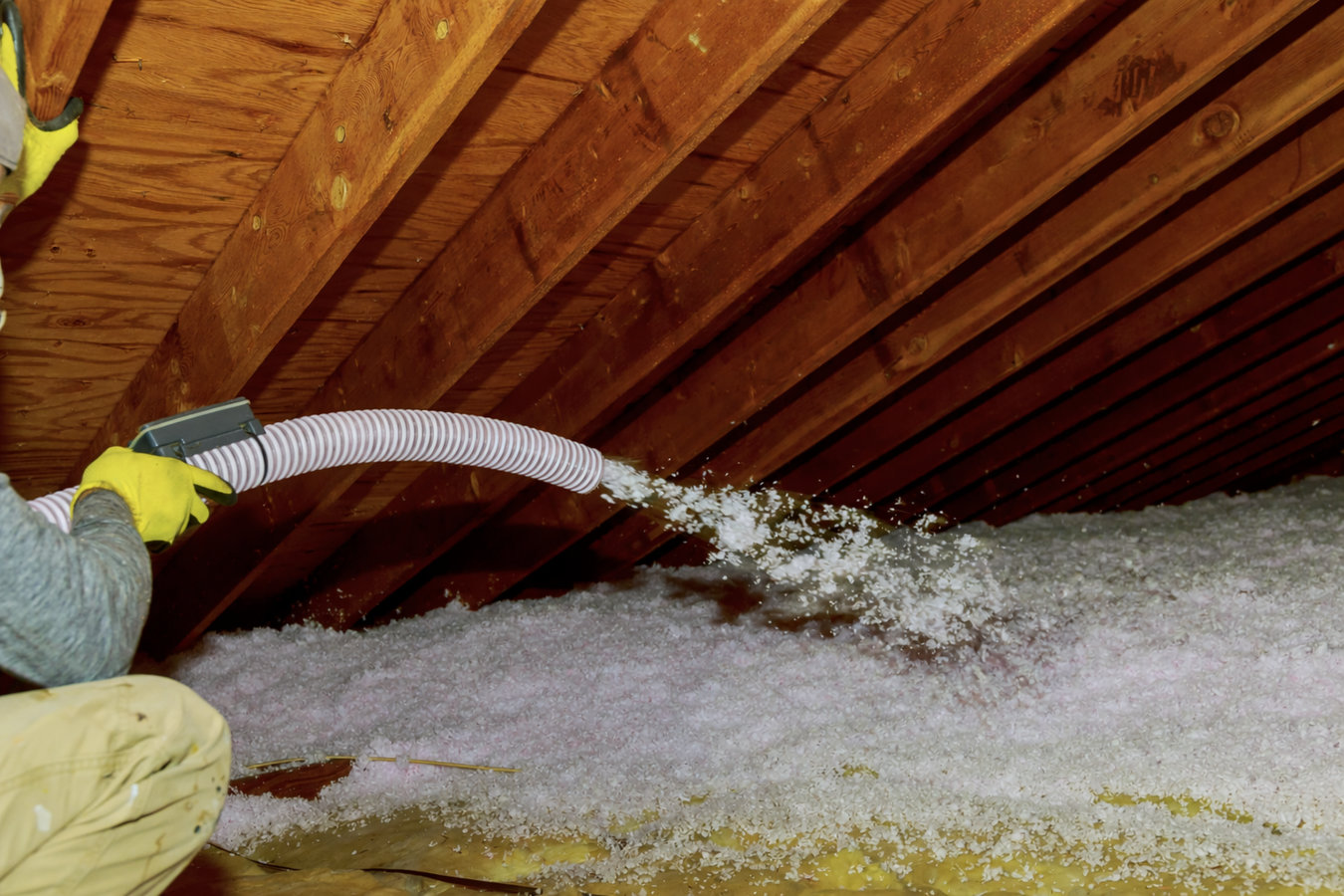
Cathedral City sits in the heart of the Coachella Valley, a location that puts it in one of the most demanding desert heat zones in California. Summer temperatures regularly top 110 degrees F, and the valley floor traps heat that stays elevated through the night. Most of Cathedral City's housing stock was built between the 1970s and 1990s, during a period when California energy codes required far less insulation than today's standards. Homes from that era often have 3 to 5 inches of attic insulation - a fraction of the depth California now recommends for this climate zone. When insulation is that thin, heat pours through the ceiling all summer long and air conditioners run continuously without ever cooling the home fully. For year-round residents who live here through the brutal summer months, inadequate insulation is not just a comfort problem - it is a financial burden every single month from June through September.
Cathedral City also sits directly in the path of windstorms that funnel through the San Gorgonio Pass to the northwest. These winds can gust above 60 mph and carry fine sand and debris that infiltrates older homes through gaps in the building envelope. Wind-driven dust is a known problem for residents here, and sealing those gaps is critical not just for energy efficiency but for indoor air quality. The city also experiences occasional flash flooding during late-summer monsoons, which can undermine drainage around foundations and expose crawl spaces to moisture that was never anticipated when the homes were built. Insulation that meets the full range of challenges here - extreme heat, wind, dust, and occasional heavy rain - requires a contractor who knows the climate and the housing stock, not someone following a generic checklist from a cooler part of the state.